
Page 10 of 17
2020 Vision…and Boarding
WOW! 2020. A New Decade!
Sometimes when we approach a fresh adventure, or the beginning of something new, some of us make vision boards. Have you ever made a vision board? It is a creative opportunity to prepare for “new beginnings” giving thought to what we want for the year or months ahead. At the end of our western calendar year is one opportunity for reflection as we head into a new year and now, a new decade.
There are multiple ways to approach creating a vision board including making it a social time with friends, and together we each work on our own vision board. Maybe we use a piece of art board as the surface, or a cork board and pin rather than glue, or even use an old picture frame. Some of us like casual, some of us make works of art. Gathering magazines, words, cut outs, certain items collected, whatever materials and messages resonate with us as we think about or visualize our vision for ourselves and our life moving forward. Then we cut, paste, organize pictures and photos based on a what we imagine and want for ourselves. And if the future looks like a clean slate, then maybe there is very little on the vision board, leaving room for what will come.
2020 feels like big year. Maybe even pivotal for many of us on this earth. Why not take time to vision what we want more of, for and from ourselves this year? And for our loved ones and for our communities. Who doesn’t want 2020 Vision ? (the joke of the year no doubt.)
Happy New Decade. Vision well.
Projection
When someone negatively implies “You are x, y, z”, we are beginning to realize that any attack of sorts can often indicate he/she might actually be x, y, z themselves. It isn’t us at all. Isn’t that interesting? That for eons we may have responded defensively , feeling attacked or criticized in some way, and only upon greater reflection and consideration, realize that what we’ve been accused, may actually be the speaker’s own issues or motivations. They may assume we are like them, so they see what we do or say through that prism, which may be so unlike our own it is hard to fathom. We are attacked for something so contrary to how we see ourselves. Is it hard for a generous person to imagine others would be selfish? Or for a selfish person to imagine others could be generous? Do we have a difficult time imagining others could be motivated differently than us so in a situation where we feel triggered in some way, we project?
Do the kindest among us often find ourselves on the receiving end of the critical and yet also untrue projections of others? And because we are kind we give it consideration, taking it as a potential learning opportunity? It seems we are waking up to the idea that an attack or projection of others is how they “deal/don’t deal” with their own pain and issues. Rather than dealing with the feeling or pain, he/she projects onto someone else and makes them wrong in some way. The new shift in paradigm, is to reconsider a criticism, or attack, especially when it feels off base and weird. That behavior can be an indicator of that person being x, y, z, not us.
We seem at a crazy time on our planet world with more and more people unable to responsibly handle their own emotions and issues. Rather than taking on these projections, we need hand them back. Kindly, yet say something like, “This feels more like projection than how I experience myself or this situation.”
Is there evidence that that is how we are? Have lots of people who know and love us said the same thing? If so, then yes, look at it, consider and contemplate, and even ask for help as to how to be kinder in that area to yourself, and others.
Yet if there is no evidence in your life that you are or act in x, y, or z kind of way, then it is strongly possible that person is projecting, and “accusing” you of behaviors he/she exhibits or even motivations or even fears that he/she may have. It can be good and helpful information to better understand the projector. Best to breathe, pause, pause, pause, feel clear and kind, and understand it is more about how the projector relates to and sees the world and very little about us.

Meeting People Halfway
“The most important trip you may take in life is meeting people halfway.”— Henry Boye
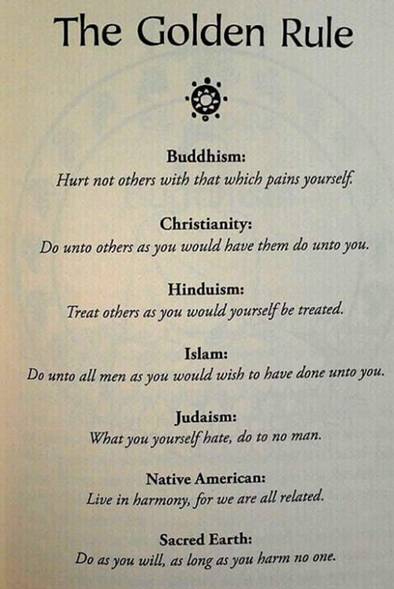
This quote seems to be describing a human to human way of dealing with one another, one that is broad, good and simple to understand. Nowadays, there seems like many, many theories, paths and trainings available to enhance our awareness and ability to get along. Yet do they? Are the simple humane interactions and practices like meeting someone halfway becoming lost or dropped from our nature?
As humans we seem to be primarily motivated either by our fears and what we fear, or we act from our hearts, trust, love, even when we don’t understand everything. And in the run of a day maybe we will tip back and forth between fear and love, depending how we view the situation?
Yet, when we can reach out to one another from the place of curiosity to learn more so we might better understand our different points of view, well that seems like meeting people halfway. And meeting people halfway seems about the kindest, truest and most humane thing any of us could do for one another. Imagine how that feels to act from that place, and be on the receiving end?
With the turmoil and conflict we can face in relationships, and our greater world, meeting people halfway seems a simple and lovely trip to take.
Pub Crawl
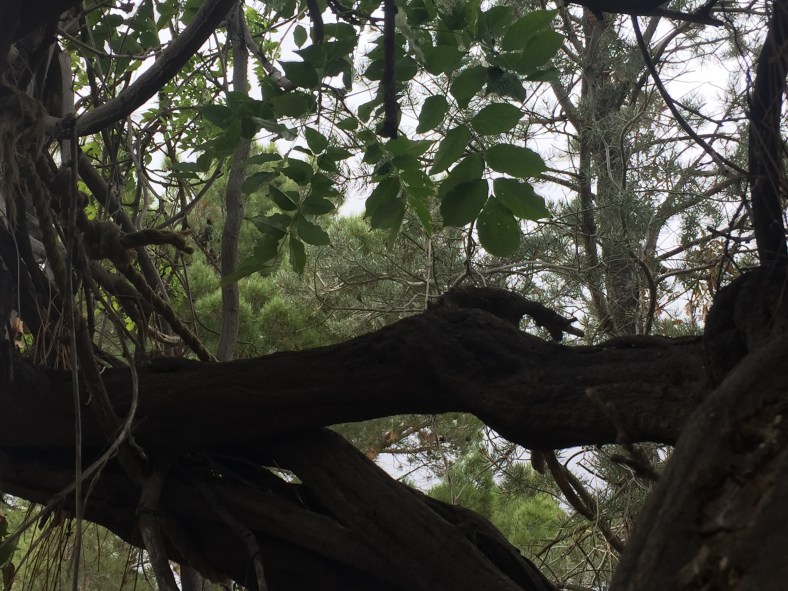
Heart and Mind
Aging deliciously seems to include acting from one’s heart, that ones heart is the master of our choices, and the mind then serves that master. Meaning that the mind can plan, organize and get us to our goals, yet when our mind is also in charge and deciding all the time, we seem to lose something important, our connection to who we really are.
It can take time, even unlearning and relearning to know what it feels like to be making a heart connected choice or decision. Usually though a heart connected choice feels good, light, sure and even a sense of ease. The mind may have us analyze, weigh, go back and forth, and sometimes what to do isn’t obvious or clear. Yet it seems when we can quiet ourselves down and really ask and listen for the true heart connected answer, the answer can feel clear and relatively simple. When love or kindness motivates a choice, taking in other criteria too, we can experience less angst and more rightness.
Once “heart” has chosen, or we listen and choose from our heart, then our minds can enact the plans and actions necessary to fulfill our decision. And effort can be involved. It may not be smooth sailing, but the path will not be full of suffering and struggle and the effort will be worth it. Trusting our hearts to be the master, and the mind to be the servant is a valuable practice with valuable outcomes in living the path and purpose we are here to enjoy.
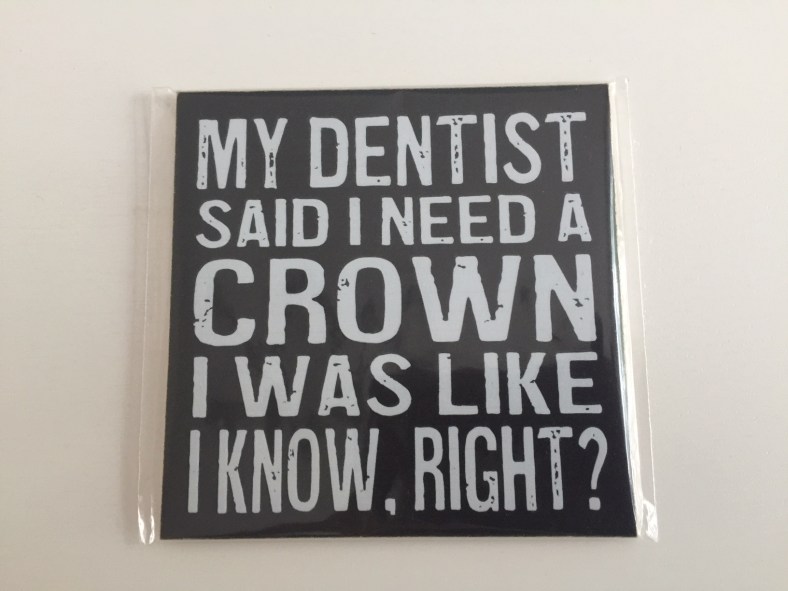
Royally Speaking :)
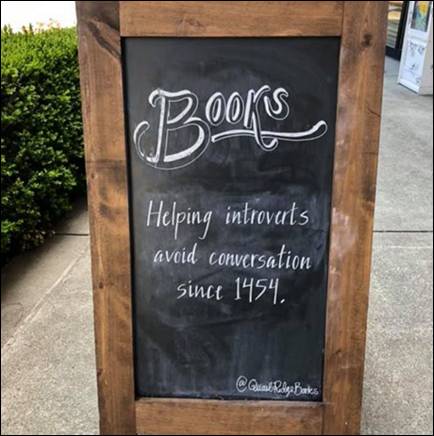
Fun Signage
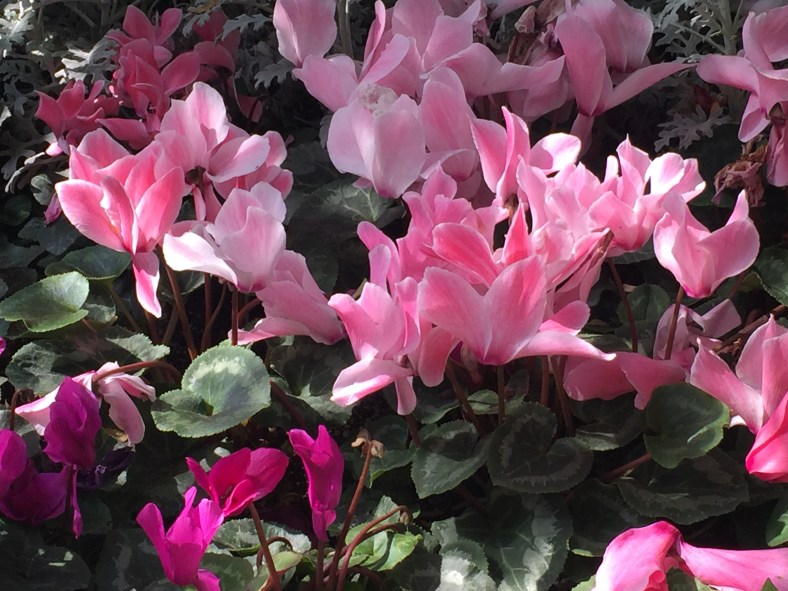
Enliven
To feel enlivened, to give spirit, make cheerful, feel invigorated, how does that happen? The word enlivened came to mind after attending an unexpected dinner party in a new setting with new people. Afterwards, driving home, trying to identify the feeling, enlivened was the word that cropped up and clearly was the perfect fit.
Enlivened. Enliven. What invigorates us? Generally we think of things like taking a hot shower or going on good run to invigorate ourselves. Yet enliven can mean something slightly different or does it just depend on what enlivens each of us? Maybe how we interpret a social event can create an inner response or inner connection that raises some peoples’ sense of well being the same way a good run might? Can we be enlivened by something intangible like the energy in a room of people, and the experience?
Maybe the unexpected nature of attending the party and then leaving with this vivacity brought to the fore a word and feeling that had been absent for a while. And because of its’ surprise appearance, it is a reminder feeling enlivened must be a beautiful ingredient to aging deliciously.
Observing rather than Evaluating
The Indian philosopher J. Krishnamurti once remarked that observing without evaluating is the highest form of human intelligence.
It does seem difficult in our western culture not to voice our evaluation or judgment. We might claim someone has a big mouth, when what we observe is he tells long stories that extend meeting times and make people late . Being a big mouth is an evaluation. It helps when we can observe and describe that observation as part of our communication, especially if we are hoping for some change. When we judge, we add on our own prism and evaluation. Often that weight makes it hard for anyone to really hear what we have to say. Plus when we label something, whether we evaluate it as positive or not positive, it can be limiting to effective communication. Is our evaluation right? Wrong? Who decides? With an evaluation approach we are likely to get a defensive, offensive or passive/aggressive response.
If we share what we observe rather than only our personal assessment or evaluation we have a much better opportunity that something positive would come from the exchange. To give someone our evaluation only, such as “You are too needy” rather than including our observation of “When you call me 5 times a day, I think you are too needy” provides a different kind of communication. And helps us too, when we feel clearer as to why we evaluated someone this way.
There are many steps in compassionate communication that starts with observing without evaluating. For many of us, getting clear on these distinctions when we speak might help calm down our own monkey mind, allow more relaxation in our bodies and provide better reception from those we communicate.
 Ageilicious