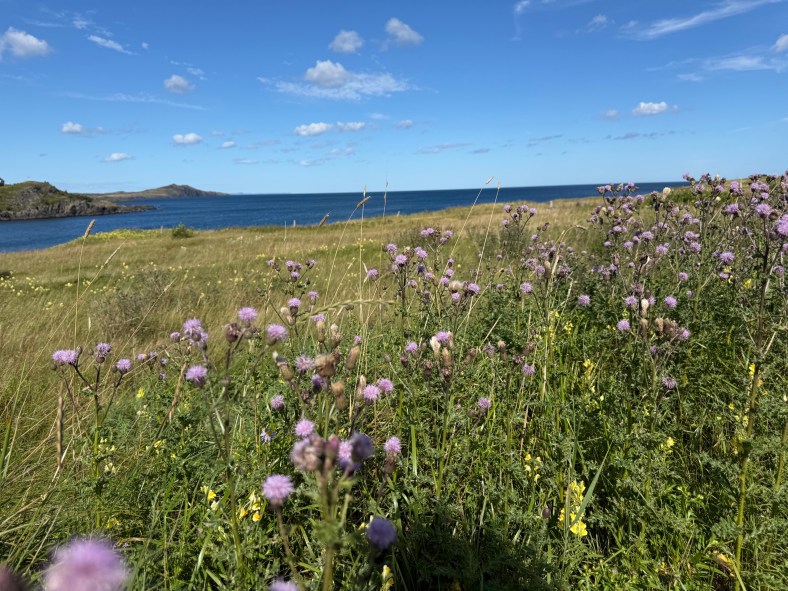
Not Knowing

“Letting there be room for not knowing is the most important thing of all.” – Pema Chodron, Buddhist Monk, teacher, author

Isn’t our day made up of mostly not knowing, the kind of ongoing “not knowing” like if our appointments will be on time, or not knowing if we used enough deodorant? Certainly the not knowing Pema Chodron refers to is of the deeper and inner personal variety, but not knowing is part of being human and living this life. We, westerners seem to want certainty and security in our lives, in our jobs, families, leaders and in our day-to-day.

Insurance was created to offer security and guarantees for people. Be it life, home or medical; insurance exists to ideally offer a safety net against bad things happening, the unknown. It is a growth industry that we pay regularly almost as a gamble should we have a mishap and need resources to get us through. Insurance is like hedging our bets. We want to know there is a limit to our risk. Yet times are changing and even the insurers aren’t comfortable with the risk and “not knowing” anymore.

Many of us may want to control or mitigate that feeling of not knowing. Maybe we are facing something about ourselves, like not knowing how we come across to others versus how we imagine we come across ? Or do we do things that may distract us from what we don’t know and can’t control? Not knowing is uncomfortable But what if we embraced not knowing? Or at the very least accepted and expected it, allowing for there to be room for the not knowing in our lives? Can we leave room for not knowing and in that space also hold onto a sense of calm, and maybe even feel some quiet joy, in the face of not knowing what is next?

If we’d grown up understanding “not knowing “as a healthy and inevitable part of being alive, we might reframe the fear that the feeling of not knowing can invoke, and treat it as “mystery”. Mystery is more about curiosity and wonder, and that energy might better serve us when we allow room for not knowing.

As Seneca, a Stoic philosopher wrote, “The whole future lives in uncertainty: live immediately.”

The Idea of Deserving

In reading the novel “Sister of My Heart” by Chitra Banerjee Divakaruni, a line on page 301 stood out.

“… love is never about deserving, is it? Nor is hate. “

Whether this sounds like a truism or not, it seemed curious enough to ponder. We might not often think about the deserving part of feelings, like love and hate. In terms of deserving hate, what came to mind were the innocent or unprovoked ways one might be on the receiving end, like being born a certain way or in a certain place. How do these feelings manifest?

Years ago a sociology professor discussing “isms” tried to illustrate the value of being aware of our own personal worldviews. She described the worldview as the individual lens we each see through and filter our own experiences. Whether we grew up in a nuclear family, orphanage, poor, well off, healthy, sickly, male, female, skin color, country of origin etc, all those things and more make up our personal worldview and “biases” through which we experience the world. We may not want to change our worldview, but it seems important to understand what it is and own it. Our choices and behaviors emerge from our specific worldview, a worldview if not examined, we might think is everyone’s way of thinking, feeling, or responding.

We might be acting on an unexamined feeling or bias, one particular to ourselves; a micro experience rather than a larger shared view. For instance, maybe we had a strong experience with a red-haired person. We might then have an unexplored bias against anyone with red hair; maybe an aversion, never hired them, dated them etc..Or the opposite. A bias towards red haired people. Whichever, we had a feeling and then acting on it, in this case, affecting our response to red haired people.

“Knowledge is power” as the saying goes. And another one (Plato?) is “An unexamined life isn’t worth living.” Circling back on this notion …” love is not about deserving it, nor is hate.” It takes courage to invest in self-knowledge, to understand our motivations and our worldview, whether we want to make changes or not. At least we might better understand our own “love and hate” responses.